
Published September 18, 2026
As autumn arrives in Nanticoke, Sugarloaf, and surrounding Pennsylvania communities, changing road conditions make stopping and visibility especially important. Rain, wet leaves, earlier sunsets, morning fog, and the first frosty mornings of the season can all affect how safely your vehicle responds.
This week’s maintenance checklist focuses on brakes, stopping distance, wipers, defrosters, headlights, and a few simple steps to complete before freezing temperatures become routine. A seasonal review now can help you address small concerns before they become larger repair needs.
Start With Brakes and Stopping Safety
Wet roads reduce tire grip, while wet leaves can be extremely slippery and may hide lane markings or potholes. When traction is reduced, a vehicle with worn brake components or tires may require more distance to stop.
Begin by paying attention to how the brake pedal and vehicle feel during normal driving. Schedule a professional inspection if you notice any of the following:
- Squealing, grinding, clicking, or scraping when braking
- A brake pedal that feels soft, spongy, or unusually low
- Steering-wheel or pedal vibration during stops
- The vehicle pulling to one side
- A brake warning or ABS light on the dashboard
- A noticeable increase in stopping distance
- A parking brake that does not hold the vehicle securely
Some brake noises can be caused by surface rust or debris, but persistent sounds should not be ignored. Grinding can indicate that friction material has worn down far enough for metal components to contact the rotor or drum.

A professional brake check and repair service through On The Go Garage can evaluate the pads, shoes, rotors, drums, calipers, brake lines, hoses, fluid, and parking brake. Pennsylvania’s annual safety inspection also includes important brake-system components, making this a useful time to confirm that your vehicle is ready for the months ahead.
Adjust Your Driving for Wet Leaves and Rain
Good brakes are important, but safe stopping also depends on how you drive. Leave additional space between your vehicle and the traffic ahead, especially during rain, at dawn or dusk, and on roads covered with leaves.
Use these habits throughout the fall:
- Reduce speed before curves, hills, and intersections.
- Increase following distance in wet or low-visibility conditions.
- Brake smoothly rather than waiting until the last moment.
- Avoid sudden steering, acceleration, or braking on leaf-covered pavement.
- Watch for standing water, leaves hiding lane markings, and slick bridge surfaces.
- Stay alert for deer, particularly near wooded roads around sunrise and sunset.
PennDOT notes that wet leaves can be as slippery as ice. Its fall driving guidance also recommends increased following distance, working lights, properly functioning heating and wiper systems, and tires with sufficient tread.
Check Wipers, Washer Fluid, and Defrosters
Visibility problems can develop quickly in fall. A light rain combined with road spray, low sun, or a dirty windshield can make it difficult to see traffic, pedestrians, and lane markings.
Inspect both front wiper blades for cracking, splitting, hard edges, or uneven contact with the glass. Replace blades that chatter, streak, skip areas, or leave a film across the windshield. It is also helpful to clean the glass on both sides, including the inside surface, where haze can increase glare from headlights.
Before colder weather arrives, confirm that:
- The windshield washer reservoir is full.
- Washer nozzles spray evenly onto the glass.
- Wiper blades clear the full area in front of the driver.
- The front defroster directs air onto the windshield.
- The rear defroster clears condensation and frost.
- The heater produces warm air when needed.
- The windshield has no significant crack in the driver’s field of view.
Use washer fluid suitable for colder temperatures as overnight lows begin to approach freezing. Water or warm-weather fluid may freeze in the reservoir, lines, or nozzles when temperatures drop.
The defroster is not only a comfort feature. It is a key part of maintaining clear glass during cold, damp mornings. Never drive with a small cleared patch surrounded by frost; allow enough time to clear the windshield, side windows, mirrors, and lights completely.
Confirm That Every Exterior Light Works
As the days shorten, many local commuters will drive to work or return home in darkness. A burned-out bulb, cloudy lens, or misaligned headlight can reduce your ability to see and make it harder for other drivers to notice your vehicle.
Check the following lights with the help of another person or by observing reflections against a wall:
- Low-beam and high-beam headlights
- Daytime running lights, if equipped
- Front and rear turn signals
- Brake lights, including the center high-mounted light
- Tail lights
- Hazard lights
- Reverse lights
- License-plate light
Clean dirt and film from headlight lenses and make sure the lenses are not severely cloudy. Use low beams in fog because high beams can reflect off water droplets and reduce visibility. In Pennsylvania, headlights are also required when windshield wipers are in use, so turn them on during rain.

Complete a Short Pre-Frost Checklist
The first frost can arrive before winter feels fully established. Completing the following review in late September gives you time to arrange service before cold mornings become part of your daily routine.
Pre-Frost Vehicle Checklist
- Battery: Have the battery and charging system tested, especially if the battery is several years old or the engine has been slow to start.
- Coolant: Check the level when the engine is cold and inspect for visible leaks. A technician can test freeze protection and condition.
- Tires: Set tire pressure to the manufacturer’s recommended specification. Cooler air can reduce pressure, and adequate tread is essential on wet roads.
- Spare tire: Confirm that the spare, jack, lug wrench, and related tools are present and usable.
- Fluids: Check engine oil, brake fluid, transmission fluid if applicable, power-steering fluid if applicable, and washer fluid.
- Emergency supplies: Keep a scraper, flashlight, gloves, blanket, phone charger, and reflective warning device in the vehicle.
- Glass and mirrors: Clean all surfaces and inspect for cracks or chips that could spread with temperature changes.
A battery test is worthwhile before freezing conditions because cold temperatures can make starting more difficult. The battery also supports the headlights, heater blower, defroster, and other electrical systems during cold-weather driving.
Keep Seasonal Service on Your Maintenance Schedule
Fall safety checks should complement, not replace, your regular car maintenance schedule. Review your owner’s manual for recommended oil-change intervals, tire rotations, fluid service, filter replacement, and other mileage-based maintenance.
If your vehicle is due for an oil change near me, seasonal service is a convenient opportunity to ask for a general condition review. A technician can look for developing problems with the brakes, tires, suspension, battery, lights, and fluid systems while the vehicle is already being serviced.
Pennsylvania requires regular safety inspections at official inspection stations. The Pennsylvania Safety Inspection Program explains that inspections help confirm vehicles are maintained for safe operation and can help prevent failures on the highway.
If you are due for an inspection or have noticed a brake, lighting, or visibility concern, On The Go Garage can help you determine what service your vehicle needs. Whether you are searching for a mechanic near me, car repair near me, an auto repair shop, or affordable car repair for a specific issue, clear communication and timely attention are important parts of safe vehicle ownership.
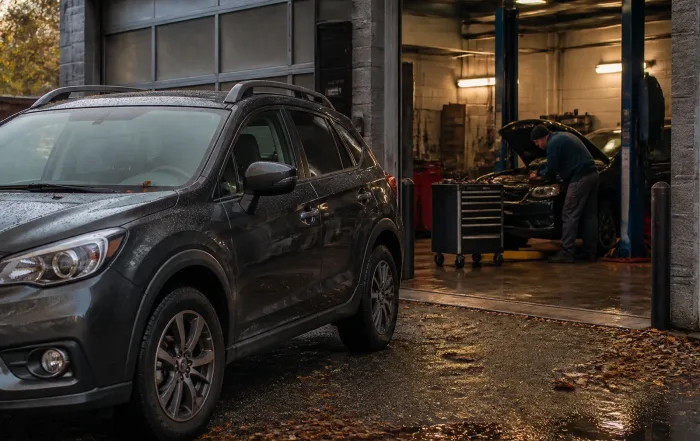
Prepare Before the Weather Changes
The most useful fall maintenance is completed before a problem becomes urgent. Test your brakes, check your visibility equipment, review tire condition, and make sure your vehicle can handle the first cold mornings.
If you have questions about a brake concern, inspection, wipers, defroster, lights, or seasonal maintenance, contact On The Go Garage at 570-788-4070 or visit one of our locations serving Nanticoke, Sugarloaf, and nearby Pennsylvania communities. What fall maintenance item is at the top of your checklist this year?
© 2026 On The Go Garage. All rights reserved.
Written for: On The Go Garage
Topic: Weekly Automotive Care & Maintenance Insights
Service areas: Nanticoke, Sugarloaf, and surrounding Pennsylvania communities
Information notice: This article provides general automotive maintenance information and does not replace a professional inspection or the vehicle manufacturer’s recommendations.
Image credits: On The Go Garage marketing assets.
Leave A Comment